Back to Journal
Shade Is the Original Air Conditioning
Deep eaves, cross breezes and a little cunning planting do more for a hot house than any machine.
By
Eleanor Hart
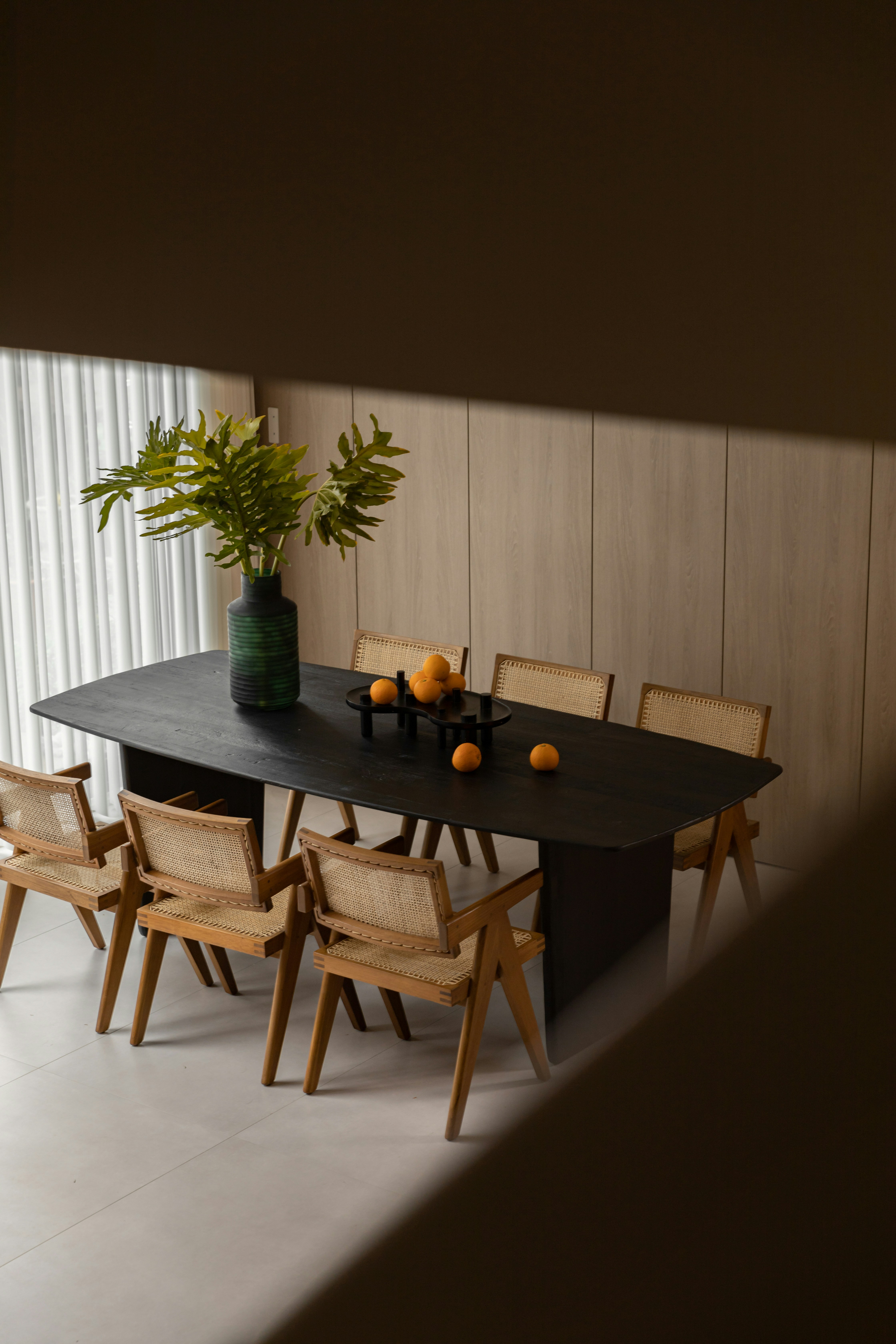
Air conditioning removes heat once it’s inside. Shade stops it getting in at all.
That’s why comfortable houses in warm climates keep returning to the same ideas: verandahs, eaves, pergolas and shutters.
North is easy
In summer the midday sun is high, so a modest eave shades the window completely. In winter, the same window lets light deep into the room.
East and west need more
Low morning and afternoon sun slips under eaves. Here, vertical fins, screens, shutters or planting do the job. A deciduous vine shades in summer and lets light through in winter.

Cross breezes
A house one room deep, with openings on opposite sides, lets breezes carry heat away. High openings in a stair or void draw warm air up and out.
Heavy or light
Brick, stone and concrete absorb heat by day and release it at night, if you can open up after dusk. Light, well-insulated walls suit closing up by day and airing out in the evening.
Comfort isn’t added later. It starts with the first line on the site plan.


